
Fabulous and the Return of Competitive Hip-Hop
It’s been a long time since hip-hop felt like this.
Not forever—but long enough that people noticed the quiet. Over the past few years, we got flashes. Moments. The tension between Kendrick Lamar and Drake reminded everyone that competition still exists at the highest level. But it never fully stuck. It felt like sparks, not a fire.
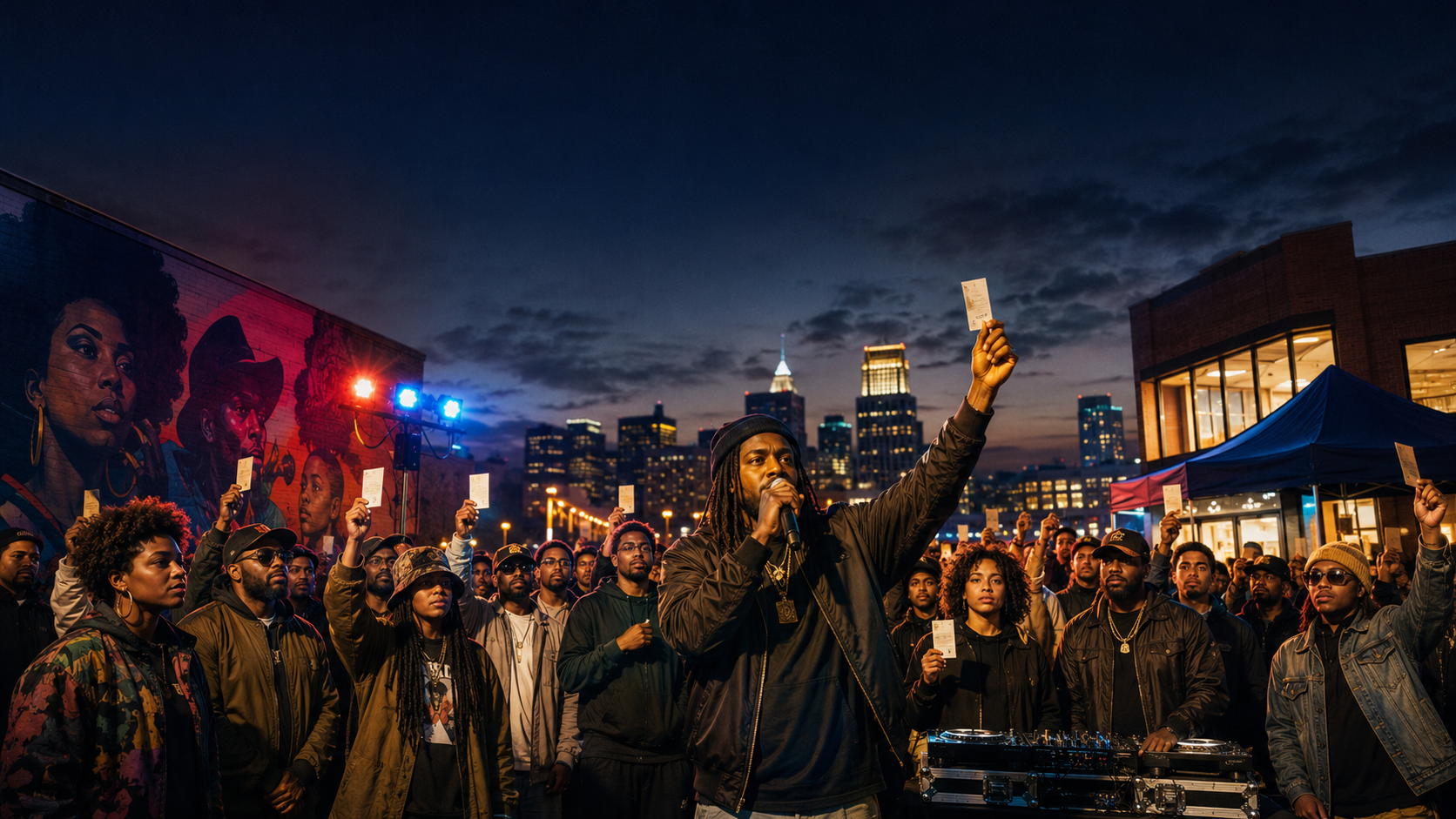
For Black American men and women who grew up on mixtapes, late-night radio, and freestyles that lived longer than albums, this felt like a cultural pulse coming back online. No algorithms. No viral stunts. No forced beef. Just bars—and pride in having better ones than the next person.
They all got the same beat. No excuses. No edits. Everybody had their moment to say what they had to say.
Maino sounded high, but still confident.
Jim Jones—and I know this might sound corny—came in strong. If I’m keeping it a thousand, he’s a close second for me.
Dave East didn’t really want smoke, and that showed.
But let’s not play games.
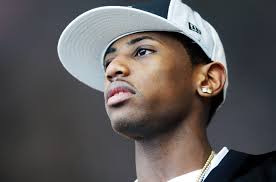
Fabolous was different.
He didn’t just rap—he reminded people. Timing. Wordplay. Calm confidence. That grown-man precision where you don’t rush, don’t yell, don’t overdo it. You just land every line and let it sit.
That’s competitive hip-hop.
Not screaming.
Not trolling.
Not chasing headlines.
Just knowing you’re that nice—and proving it in real time.
This wasn’t about being funny. It wasn’t about going viral. It was about respect. About skill. About letting everybody hear the gap again.
And for a moment, hip-hop sounded like itself.
That’s the gift.
Not the funniest moment. The best one.
This Christmas, though, something different happened.
I didn’t really get gifts this year. I mean, I did—but the best part wasn’t what was wrapped. The real gift was hearing that freestyle. The energy. The urgency. The way everybody jumped on the beat like it actually mattered.
That’s what made it special.
Why This Moment Felt Bigger Than Just a Freestyle
This wasn’t about a random verse. It was about timing. Fans never really expected fabulous to jump into this type of moment again. Many people always wanted to see him “get in the ring,” but thought that chapter was closed.
Turns out—it wasn’t.
The Streets Been Waiting
When people say “the streets is talking,” they don’t mean social media comments. They mean conversations at work, in barbershops, in group chats. That’s where this moment landed. It felt organic, not manufactured.
A Brief History of Competitive Energy in Hip-Hop
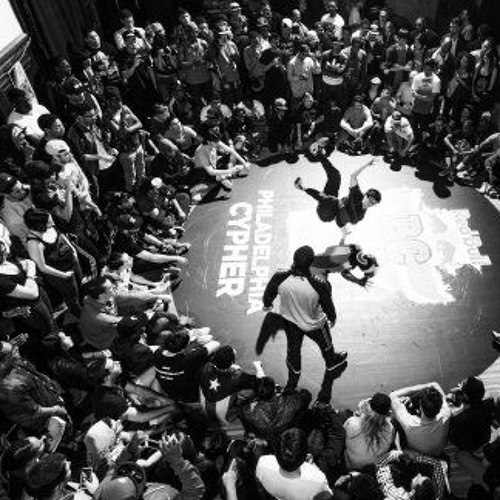
Hip-hop was born competitive. Park jams turned into cyphers. Cyphers turned into radio freestyles. Everyone wanted to be sharper than the next MC.
From Radio Battles to Digital Silence
Today, competition often lives in memes instead of microphones. Success replaced sparring. That’s not bad—but something got lost. This is why seeing fabulous step forward mattered. It felt like a throwback without sounding dated.

Fabulous : Consistency Over Decades
Fabolous has always been known for one thing: a reliable pen. He never needed chaos to stay relevant. His bars aged well, his delivery stayed clean, and his confidence never dipped.
Why Fans Always Respected His Pen
Even fans who didn’t play every project knew this—Fab can rap. Smooth talk, clever wordplay, and a calm presence. That’s why people reacted so strongly. Not surprise at his skill, but respect that he still wanted to compete.
The Kendrick and Drake Effect
The Kendrick and Drake moment reminded fans that lyrical tension still excites the culture. It didn’t destroy hip-hop—it energized it.
A Reminder That Bars Still Matter
That energy set the stage. When fabulous stepped in, it felt like a continuation, not a copy. Different generation. Same spirit.
Fabulous vs. 50 Cent
Here’s where things really got interesting. Mention 50 Cent, and people pay attention. Not because he’s loud—but because he’s calculated.
50 cent built his legacy on timing, silence, and impact.
Bars, Not Memes
That’s why fans didn’t want jokes. They wanted lyrics. The call wasn’t disrespect—it was tradition. Pen and paper. Rap gauntlet. Let’s work.
Money, TV shows, and power don’t erase hip-hop roots. Fans know that. And so does 50.
Why This Hit Home for Black American Fans
For Black American listeners, hip-hop isn’t just entertainment—it’s identity. It’s memory. It’s growing up.
Culture, Memory, and Pride
Seeing fabulous step up reminded people of a time when skill spoke louder than numbers. It wasn’t about winning—it was about showing you still care about the craft.
That matters.
What This Means for Hip-Hop Moving Forward
Hip-hop doesn’t need constant beef. It needs moments that challenge artists to sharpen themselves.
Pens Up, Papers Out
This was a reminder: competition doesn’t have to be toxic. It can be respectful, exciting, and necessary.
If more artists followed that energy, hip-hop would feel alive again.
Frequently Asked Questions (FAQs)
Q1: Why is fabulous trending again?
Because he re-entered competitive hip-hop with confidence and lyrical presence.
Q2: Is this real beef with 50 cent ?
No. It’s competitive energy, not hostility.
Q3: Why do fans want a lyrical response?
Because hip-hop was built on bars, not silence.
Q4: Does this help hip-hop overall?
Yes. Competition sharpens the culture.
Q5: Why does Fabolous still matter today?
Longevity, consistency, and authenticity never fade.
Q6: Will we see more moments like this?
Fans hope so. The response proves there’s demand.
Final Thoughts: Great for Hip-Hop
This wasn’t about memes, numbers, or drama. It was about pride in the art. Fabulous reminded everyone why lyrical confidence still hits harder than noise.
Great for hip-hop. Great for the culture.