
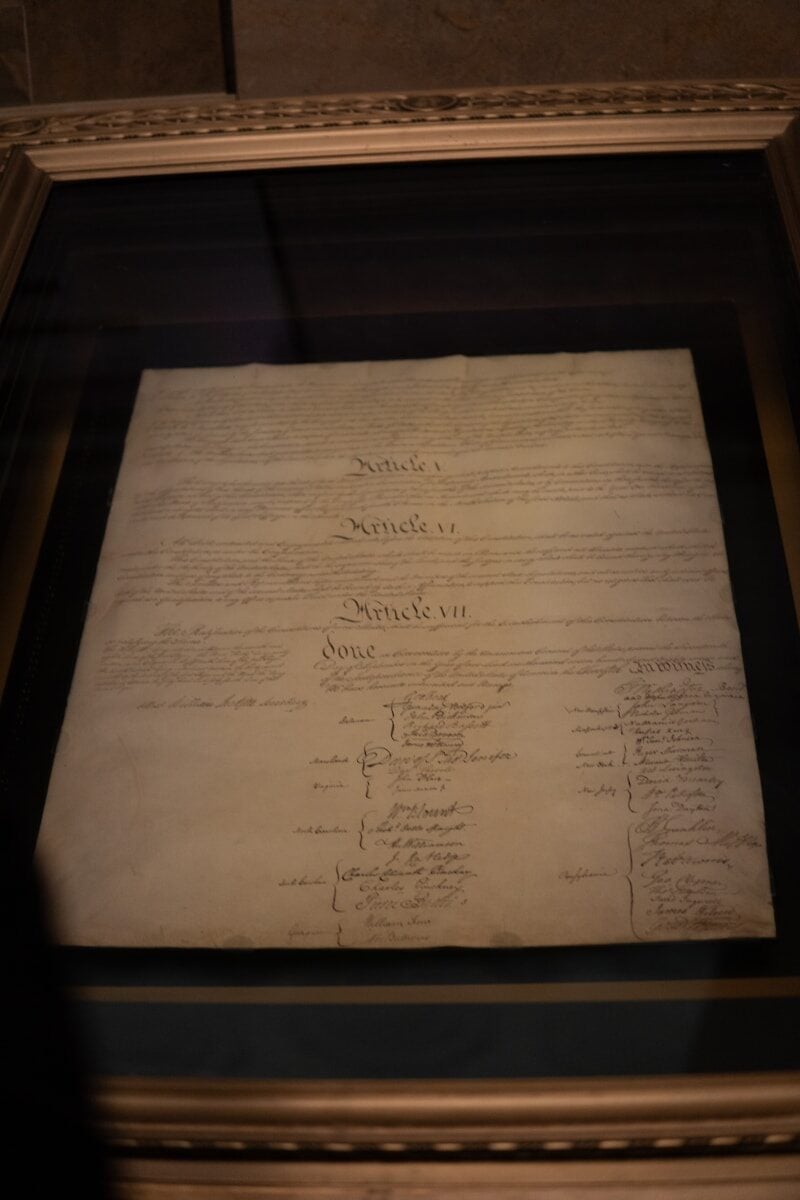
The Bill of Rights (Amendments 1–10)
1️⃣ First Amendment
Protects:
- Freedom of speech
- Freedom of religion
- Freedom of the press
- Right to peacefully assemble
- Right to petition the government
👉 Government can’t tell you what to believe or punish you for speaking your mind (with limited legal exceptions).
2️⃣ Second Amendment
Protects:
- The right to keep and bear arms
👉 Tied to the idea of a well-regulated militia and self-defense.
3️⃣ Third Amendment
Protects:
- Citizens from having soldiers forced into their homes during peacetime
👉 Sounds old-school, but it’s about privacy and limits on military power.
4️⃣ Fourth Amendment
Protects against:
- Unreasonable searches and seizures
- Requires warrants based on probable cause
👉 Cops and agents can’t just search you or your stuff because they feel like it.

5️⃣ Fifth Amendment
Protects:
- Right to remain silent
- Protection from self-incrimination
- Protection from double jeopardy
- Right to due process
- Government can’t take property without fair compensation
👉 This is where “I plead the Fifth” comes from.
6️⃣ Sixth Amendment
Protects:
- Right to a speedy and public trial
- Right to an impartial jury
- Right to know the charges
- Right to confront witnesses
- Right to a lawyer
👉 No secret trials, no endless waiting, no railroading.
7️⃣ Seventh Amendment
Protects:
- Right to a jury trial in civil cases
👉 Even in lawsuits, regular people decide facts — not just judges.

8️⃣ Eighth Amendment
Protects against:
- Excessive bail
- Excessive fines
- Cruel and unusual punishment
👉 Government can’t torture or punish people in extreme, abusive ways.
9️⃣ Ninth Amendment
Protects:
- Rights not specifically listed in the Constitution
👉 Just because a right isn’t written down doesn’t mean it doesn’t exist.
🔟 Tenth Amendment
Protects:
- Powers not given to the federal government belong to the states or the people
👉 Limits federal power. Big one.

Why the Bill of Rights Matters
The Bill of Rights exists to limit government power, not expand it. These rights weren’t written to be convenient — they were written because the founders didn’t trust unchecked authority.
They’re not favors.
They’re guarantees.
If you want, I can:
- Break down which rights apply when dealing with police or federal agents
- Explain how courts interpret these today
- Show common ways these rights get challenged or ignored
- Or translate this into real-life examples
Just tell me.