
Political distrust is high in America. When major global events happen at the same time as domestic scandals, people naturally ask: Is this a coincidence? Or is something else going on?
This article breaks down three major areas:
- What the Epstein files actually are
- How presidential war powers really work
- Whether wars have historically been used as political distractions
No hype. Just facts.
1️⃣ What the Epstein Files Actually Are
Who Was Jeffrey Epstein?
Jeffrey Epstein was a financier charged with federal sex trafficking crimes in 2019. He died in jail while awaiting trial. His associate, Ghislaine Maxwell, was later convicted for her role in recruiting and abusing minors.
What Are “The Epstein Files”?
When people refer to “the Epstein files,” they usually mean:
- Court documents
- Flight logs
- Contact books
- Deposition transcripts
- Previously sealed filings
Many of these documents have been released in stages through court orders and transparency requests.
Important Clarifications
- Being mentioned in Epstein’s contact book or flight logs does not automatically mean wrongdoing.
- Many high-profile individuals appear in documents without criminal charges.
- The Department of Justice has not announced sweeping new prosecutions tied to document releases.
Frustration around the files stems from:
- Perception that powerful people avoided consequences
- Limited clarity about the full scope of Epstein’s network
- Distrust of institutional transparency
That distrust fuels speculation — especially when other major events dominate headlines.

2️⃣ How War Powers Actually Work in the United States
When the U.S. takes military action, who decides?
The Constitutional Framework
The U.S. Constitution divides war powers:
- Congress declares war
- The President serves as Commander-in-Chief
This creates tension.
United States Constitution gives Congress the authority to declare war, but modern conflicts often begin without formal declarations.
The War Powers Resolution
After Vietnam, Congress passed the War Powers Resolution of 1973 to limit unilateral presidential military action.
It requires:
- The President to notify Congress within 48 hours of military action
- Withdrawal of forces within 60 days without congressional approval
In practice, presidents from both parties have stretched this authority.
Examples include:
- Barack Obama authorizing Libya strikes
- George W. Bush launching Iraq under Congressional Authorization
- Donald Trump authorizing the strike that killed Iranian General Qassem Soleimani
These actions sparked debate over executive overreach.
3️⃣ Have Wars Ever Been Used as Political Distractions?
This is where it gets interesting.
There’s a long-standing political theory called “diversionary war theory.”
It suggests leaders may initiate foreign conflicts to:
- Rally public support
- Shift media focus
- Boost approval ratings
- Distract from domestic scandals
But theory isn’t proof.
Let’s look at history.
Example 1: The Clinton Impeachment Era
During President Bill Clinton’s impeachment process, the U.S. conducted missile strikes in Sudan and Afghanistan.
Critics accused him of “wag the dog” tactics — referencing the movie Wag the Dog, where a fictional war is staged to distract from scandal.
There was no proof the strikes were purely distraction. But the timing fueled suspicion.
Example 2: Bush and Post-9/11 War Politics
After 9/11, President Bush’s approval ratings surged. The Iraq War later became politically controversial.
Some critics argue prolonged conflict benefited political narratives. Others argue the decisions were rooted in national security strategy.
Intent is hard to prove.
Example 3: Trump and Iran (2020)
In 2020, Trump authorized a strike killing Iranian General Qassem Soleimani.
The timing coincided with impeachment proceedings.
Some critics suggested it was distraction.
However:
- The Pentagon cited intelligence about imminent threats.
- No evidence surfaced proving the action was designed to divert attention from impeachment.
Political suspicion does not equal confirmed motive.
Why These Claims Resurface
When multiple big stories collide — like:
- A controversial document release
- A criminal investigation
- A military escalation
— people look for patterns.
But correlation is not causation.
High distrust amplifies speculation.
The Bigger Issue: Institutional Trust
Whether it’s:
- The Epstein files
- War powers
- Congressional oversight
The common thread is public trust.
When people feel:
- Powerful individuals aren’t held accountable
- Government transparency is limited
- War decisions lack clarity
They become more likely to believe distraction narratives.
What We Know vs. What We Don’t
What We Know
- Epstein’s network involved many powerful figures.
- Presidents have broad military authority.
- Timing of major events can influence public perception.
What We Don’t Know
- Direct proof that any modern U.S. war was launched solely to distract from a domestic scandal.
- Evidence tying Epstein file releases to military strategy decisions.
Speculation exists. Verified proof does not.
Final Thoughts
It’s reasonable to question power.
It’s reasonable to demand transparency.
It’s reasonable to scrutinize war decisions.
But it’s important to separate:
- Suspicion
- Political rhetoric
- Documented evidence
Healthy skepticism strengthens democracy. Conspiracy conclusions without proof weaken it.
If you want next, we can:
- Break down exactly what has been released in Epstein court filings
- Analyze approval rating data around military actions
- Explore how media cycles shape political perception
-
Hip-Hop Must Speak Up: Why the 2026 Midterms Are About Justice, Safety and Survival

The hip-hop community has a powerful voice in America. Hip-hop is no longer just music. It is a culture, a way of life and one of the most influential ways to reach the masses. From its beginning, hip-hop has told stories about poverty, policing, inequality, racism and survival. It gave a microphone to communities that…
-
Trump Plan to Cut Federal Workforce : Why Critics Are Sounding the Alarm
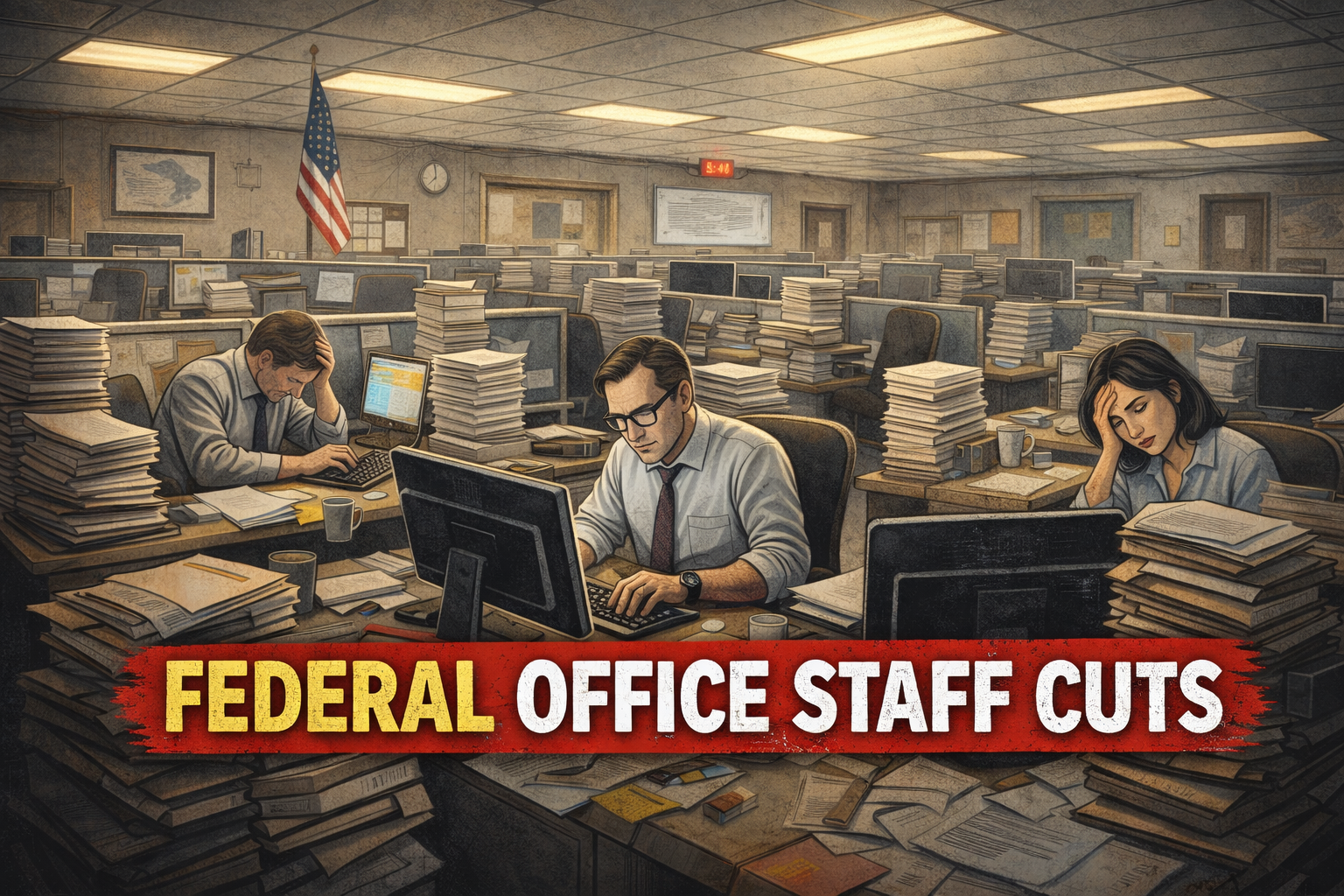
The push to cut the federal workforce is being sold as bold leadership and fiscal responsibility—but when you actually break down the numbers, it starts to look more like political theater than serious economic policy. Honestly, this is just dumb. Let’s be clear: the total U.S. federal budget sits around $6–7 trillion annually. Federal civilian…
-
Jay Z & Roc Nation Got This One Wrong: Battle Rap Still Moves the Culture

When jay z nation starts acting like battle rap is some dirty part of hip-hop we should leave behind, I gotta push back. Nah. That take is too soft, too clean, and too far removed from what this culture really is. Jay-Z said in his March 2026 GQ interview that he does not know if…