
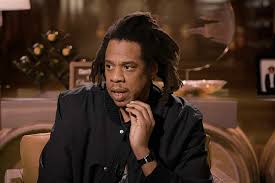
The Internet Got a Problem: Rumors Move Faster Than Truth
I’m a keep it a 1000.
Every time the Epstein case pops back into headlines, the internet turns into detective mode mixed with group chat gossip. Names get thrown around. Screenshots start circulating. People start connecting dots that ain’t even on the same page.
And lately, you got folks trying to drag Jay-Z into Epstein conversations based on claims about some random tip line from over twenty-five years ago.
Twenty-five years.
Let that sit for a minute.
You talking about information from a time when people were still using dial-up internet, fax machines, and AOL chat rooms — and now it’s being recycled like it’s brand new evidence.
That’s not investigation.
That’s internet telephone.
Understanding The Epstein Files — The Real Weight Of The Case
Before we even get into celebrity rumors, you gotta understand why the Epstein case carries so much emotion and anger.
Epstein wasn’t just accused of crimes. The case exposed how money, influence, and power can create protection layers around predators.
The files connected to Epstein include:
- Court testimony
- Victim depositions
- Flight logs
- Financial records
- Address books and contact lists
Some of these documents confirmed criminal behavior. Some exposed networks. Some raised questions still unanswered.
That part is serious. That part deserves attention.
But when the conversation jumps from verified documents into rumor territory, the truth gets buried under noise.
The Jay-Z Rumor — Let’s Break It Down
The internet has been circulating claims that Jay-Z was mentioned in an Epstein-related tip line decades ago.
Here’s the reality:
There are no verified court records, no criminal charges, and no confirmed investigative findings linking him to Epstein crimes.
None.
Tip lines don’t equal evidence. Tip lines are basically open suggestion boxes for law enforcement. Anybody can call. Anybody can submit information. Anybody can lie.
Police departments receive thousands of tips during major cases. Most get thrown out because they lead nowhere.
So taking a decades-old anonymous tip and turning it into modern allegations is shaky at best and reckless at worst.

How Celebrity Names Get Pulled Into Scandals
Here’s something the internet doesn’t like admitting:
Celebrity equals traffic.
You attach a famous name to a scandal, clicks go up. Engagement goes up. Arguments explode. Algorithms start feeding it to more people.
Truth becomes secondary to virality.
That’s how misinformation spreads — not because it’s proven, but because it’s entertaining.
The Guilt-By-Association Trap
The Epstein case involved elite social circles — billionaires, politicians, entertainers, business figures.
When people hear that, they assume everybody in those circles must be connected.
But legally and factually, that’s not how investigations work.
Knowing someone
Being in the same room as someone
Attending the same event as someone
None of that equals criminal involvement.
If that standard existed, half of Hollywood and Washington would be under investigation every year.
Why These Rumors Hit Harder In The Black Community
Now let’s talk about something people dance around but rarely say out loud.
Black public figures have historically been pulled into conspiracy conversations faster than evidence supports.
That doesn’t mean accountability shouldn’t exist. It absolutely should. Nobody should get protection because of fame or race.
But history shows something else too — Black success often comes with extra scrutiny, extra rumor cycles, and extra attempts to tear down influence.
And when viral accusations get thrown around without proof, it feeds narratives that hurt entire communities, not just individuals.
What Verified Epstein Documents Actually Show
The real Epstein records focus heavily on:
- Victim testimony
- Confirmed associates involved in trafficking operations
- Financial movements connected to recruitment and travel
- Legal depositions and lawsuits
And those documents matter because they center victims, not gossip.
Investigations should always focus on evidence, survivors, and accountability — not rumor lists floating around social media.
Why Misinformation Is Dangerous In Cases Like This
Rumors don’t just hurt reputations. They create real problems:
They distract from victims
They confuse the public
They weaken legitimate investigations
They create cover for actual offenders
When everything becomes speculation, nothing gets taken seriously anymore.
And that benefits the worst people involved.
The Internet’s Addiction To Scandal Culture
Let’s keep it Brooklyn honest.
The internet loves a downfall story. Especially when it involves powerful or successful people. People want villains. People want drama. People want narratives that feel bigger than reality.
But justice isn’t entertainment.
Real investigations move slow. Evidence takes time. Court cases take years. That pace doesn’t match social media timelines, so people fill the silence with guesses.
The Bigger Conversation — Power, Trust, and Transparency
The Epstein case shook public trust because it exposed something uncomfortable:
Money and influence can delay justice.
That part is real. That part is documented. That part deserves scrutiny.
But if public anger turns into random accusations, it weakens real accountability efforts. It turns serious conversations into conspiracy echo chambers.
And once that happens, the truth gets harder to find.
Why Fact-Checking Matters More Than Ever
Before sharing viral claims, people should ask:
Where did this information come from?
Is it from court records?
Is it verified journalism?
Is it anonymous screenshots?
Is it speculation dressed as evidence?
Because once misinformation spreads, it rarely gets corrected. It just mutates into new versions.
The Real Focus Should Stay On Victims
At the end of the day, this case is about survivors. It’s about human trafficking. It’s about justice.
When conversations turn into celebrity rumor cycles, victims get pushed into the background again.
And that repeats the same power imbalance that allowed Epstein to operate in the first place.
Final Word — Truth Over Virality
You can demand accountability. You can question institutions. You can push for transparency.
But truth requires evidence.
Dragging names into serious criminal conversations without proof doesn’t help justice. It helps chaos.
And chaos is where truth goes to die.

Jay Z & Roc Nation Got This One Wrong: Battle Rap Still Moves the Culture
When jay z nation starts acting like battle rap is some dirty part of hip-hop…
How T.I. Became the Hip-Hop Superhero and 50 Cent Became the Supervillain
This whole situation flipped fast. What started as a simple idea turned into one of…

How Artist Have Been Found Useing Bots and The Brutal Ways It’s Screwing New Artists
What It Really Means When Artist Have Been Found Useing BotsWhy Some Artists Even Do…
J. Cole Tour Energy vs. Hip-Hop Code: Why Some Fans Aren’t Cheering
Everybody hyped about the J. Cole tour. Tickets moving. Fans lining up. Social media clips….
Why 50 Cent Can’t Beat the Harris Family in This Beef
Hip-Hop Always Settled Things on the MicThe Harris Family Is Coming From a Different AngleMemes…
Charlamagne Tha God & The Breakfast Club: The Bold Truth About Losing YouTube Heat and the Netflix Deal (9 Key Facts)
People keep asking the same thing: Is Charlamagne Tha God and The Breakfast Club losing…