
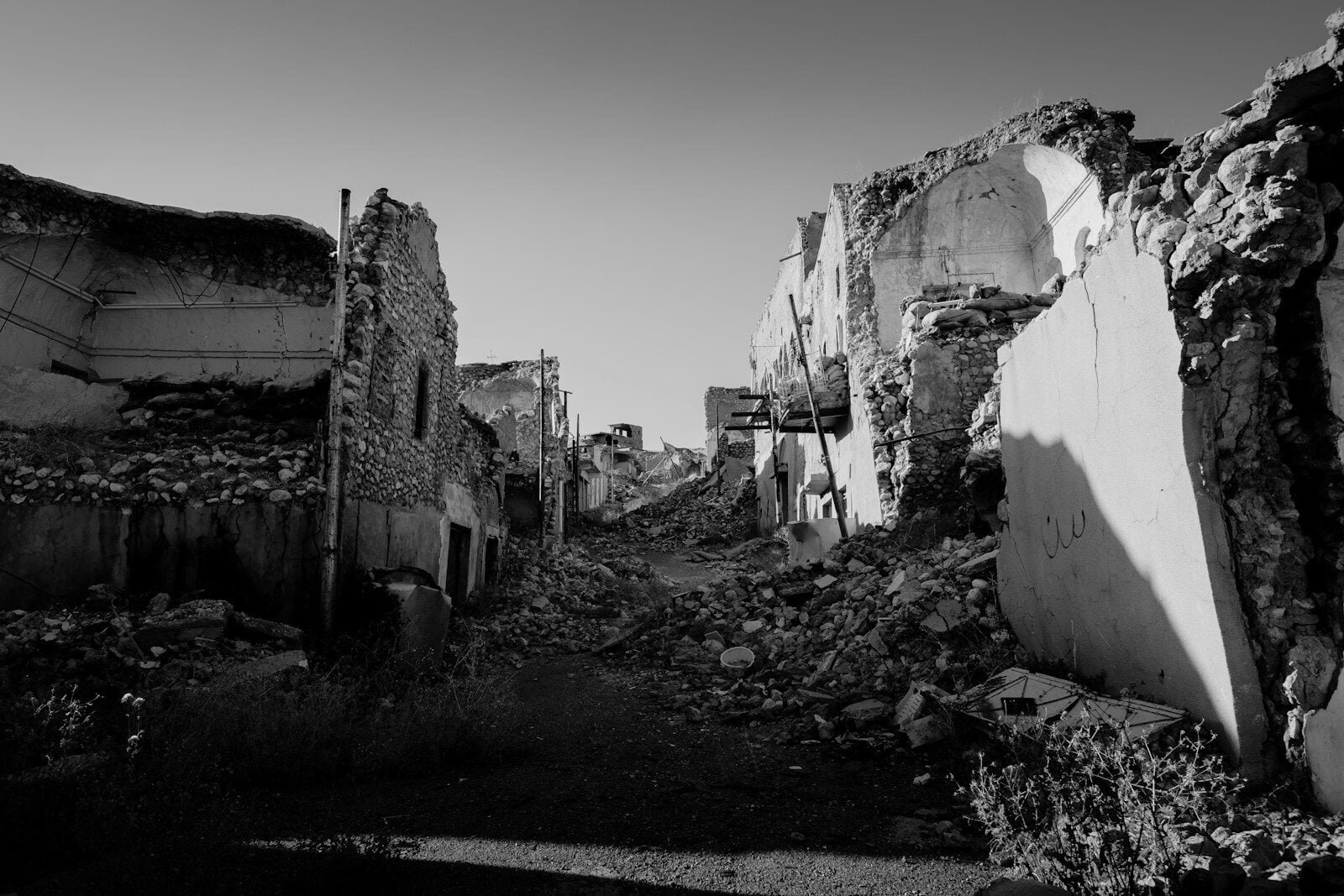

The war involving the United States, Israel, and Iran did not start out of nowhere. It came after months of pressure, failed diplomacy, military planning, and growing fears around Iran’s nuclear program and regional retaliation. Public reporting now shows the conflict formally began on February 28, 2026, when the U.S. and Israel launched strikes on Iran. (Reuters)
The war began on February 28, 2026
Reuters has reported that the current war started on February 28, 2026, when U.S. and Israeli strikes hit Iran. Since then, the conflict has spread across the region, with attacks affecting U.S. troops, Gulf states, shipping routes, and oil markets. Reuters also reported that by March 16 around 200 U.S. troops had been wounded and 13 had been killed in the conflict. (Reuters)

A big issue before the war was Iran’s nuclear program
One of the main drivers leading up to the war was the long-running dispute over Iran’s nuclear activity. That issue has shaped U.S.-Iran tensions for years, and in recent reporting it remains central to how officials and diplomats explain the crisis. Reuters reported this week that Iran’s foreign minister said his last contact with U.S. envoy Steve Witkoff came before the war began, and that the outbreak of war effectively ended that diplomatic track. (Reuters)
That matters because it shows diplomacy had not fully disappeared before the shooting started. There were still direct contacts, but those contacts broke down before the attacks. Reuters’ reporting indicates that whatever channel remained was overtaken by military action. (Reuters)
Intelligence warnings reportedly existed before the strikes

Reuters reported on March 17 that President Trump had been warned in advance that Iran might retaliate against Gulf allies if the U.S. and Israel struck Iran. According to Reuters, intelligence assessments also included the possibility that Iran could move to disrupt or shut down the Strait of Hormuz, one of the world’s most important oil chokepoints. (Reuters)
That point is important to the lead-up. Public reporting suggests the risk of escalation was not hidden. Reuters said multiple sources familiar with intelligence reporting indicated those dangers were part of prewar briefings. (Reuters)
Iran’s likely response was part of the risk picture
After the strikes, Iran and allied forces responded across the region. Reuters reported retaliatory attacks affecting Gulf states including Qatar, Saudi Arabia, the UAE, Bahrain, and Kuwait, along with impacts on U.S. military positions and regional infrastructure. Reuters also reported that Iran moved to shut down the Strait of Hormuz, helping drive oil and energy fears higher. (Reuters)
So one of the clearest facts in the lead-up is this: the possibility of a broader regional response was already being discussed before the war started, and then much of that feared escalation happened after the strikes. (Reuters)

The conflict quickly became bigger than Iran alone
Within days, the war had effects beyond Iran itself. Reuters reported that U.S. forces were hit across several countries in the region, including Kuwait, Saudi Arabia, the UAE, Jordan, Bahrain, Iraq, and Israel. Reuters also reported that the U.S. has struck more than 7,000 targets in Iran since the war began. (Reuters)
That shows the conflict was never likely to stay narrow once it started. The lead-up involved not only U.S.-Iran tensions but also the wider military map of the Gulf and the role of U.S. bases and allies in the region. (Reuters)

Diplomacy now looks far weaker than it did before the war
Reuters reported on March 16 that Iran’s foreign minister denied recent claims of renewed backchannel contact with the U.S. and said his last real contact with Witkoff came before the war. That reporting supports the view that diplomatic communication had broken down by the time the war was underway. (Reuters)
At the same time, Reuters reported on March 17 that Iran’s new supreme leader rejected de-escalation proposals delivered through intermediaries, showing how much harder diplomacy has become since the conflict began. (Reuters)
The human and economic costs appeared immediately
Reuters has reported that the war’s effects were immediate: troop casualties, damage across the region, pressure on oil shipping, and higher fears around energy prices and inflation. White House economic adviser Kevin Hassett said oil tankers were beginning to pass through the Strait of Hormuz again, which itself shows how central the waterway became to the crisis. (Reuters)
Reuters also reported that the World Food Programme warned the war could push 45 million more people into acute hunger by June because of rising transport and shipping costs and disruptions to aid routes. (Reuters)
What the public record shows so far
Based on current public reporting, the clearest facts about the lead-up are these:
Iran was already at the center of high-stakes nuclear and security tensions. Diplomatic contact still existed before the war, but it did not hold. The U.S. and Israel struck on February 28, 2026. Reuters reports that U.S. intelligence had warned Iran might retaliate against Gulf allies and threaten the Strait of Hormuz. After the strikes, that wider escalation followed. (Reuters)
That does not answer every question about motive, legality, or internal decision-making. But it does establish the basic lead-up: this war came after a breakdown in diplomacy, amid warnings of regional blowback, and it expanded exactly along many of the fault lines analysts feared. (Reuters)

-
Hip-Hop Must Speak Up: Why the 2026 Midterms Are About Justice, Safety and Survival
The hip-hop community has a powerful voice in America. Hip-hop is no longer just music. It is a culture, a way of life and one of the most influential ways to reach the masses. From its beginning, hip-hop has told stories about poverty, policing, inequality, racism and survival. It gave a microphone to communities that…
-
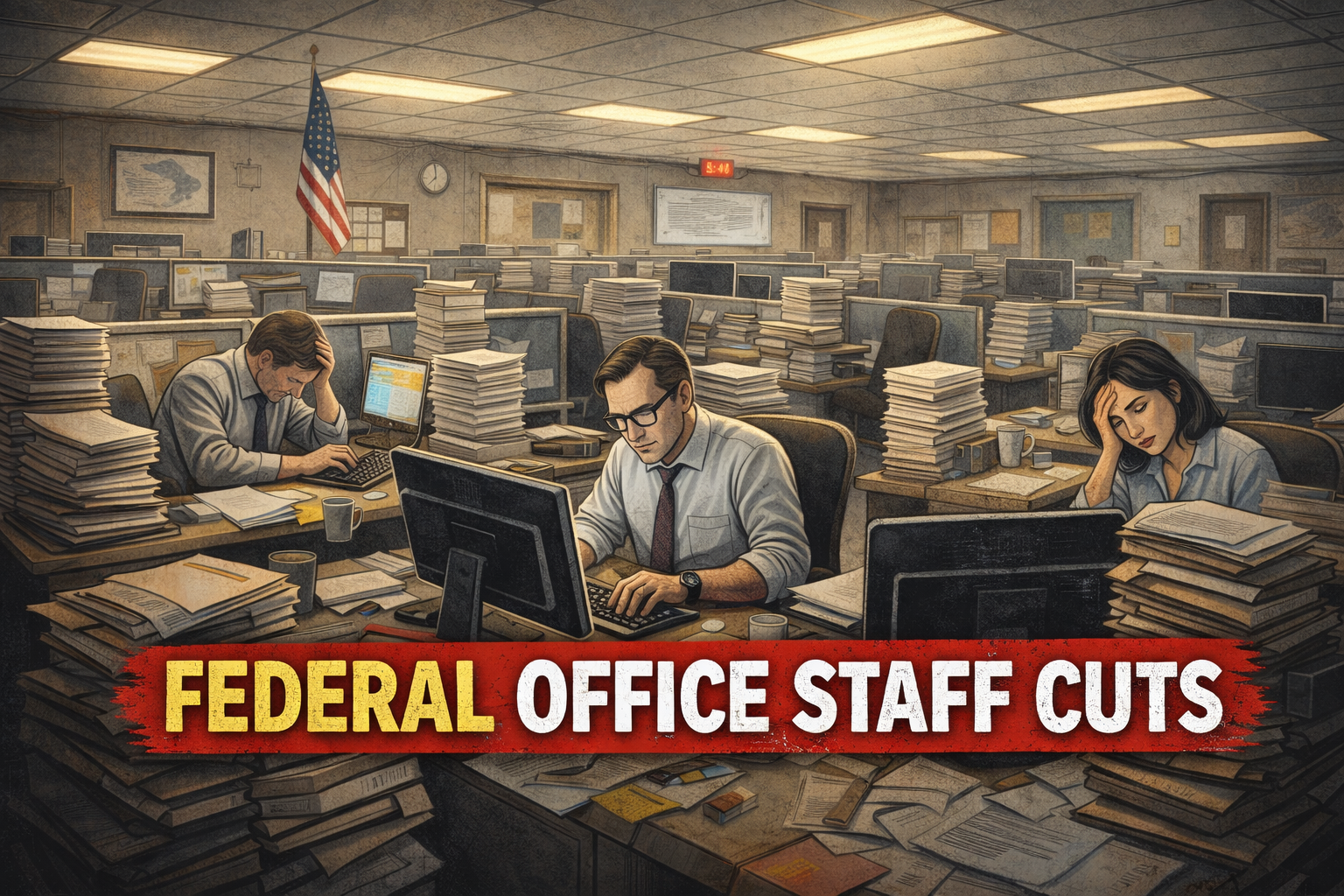
Trump Plan to Cut Federal Workforce : Why Critics Are Sounding the Alarm
The push to cut the federal workforce is being sold as bold leadership and fiscal responsibility—but when you actually break down the numbers, it starts to look more like political theater than serious economic policy. Honestly, this is just dumb. Let’s be clear: the total U.S. federal budget sits around $6–7 trillion annually. Federal civilian…
-
Jay Z & Roc Nation Got This One Wrong: Battle Rap Still Moves the Culture
When jay z nation starts acting like battle rap is some dirty part of hip-hop we should leave behind, I gotta push back. Nah. That take is too soft, too clean, and too far removed from what this culture really is. Jay-Z said in his March 2026 GQ interview that he does not know if…
-
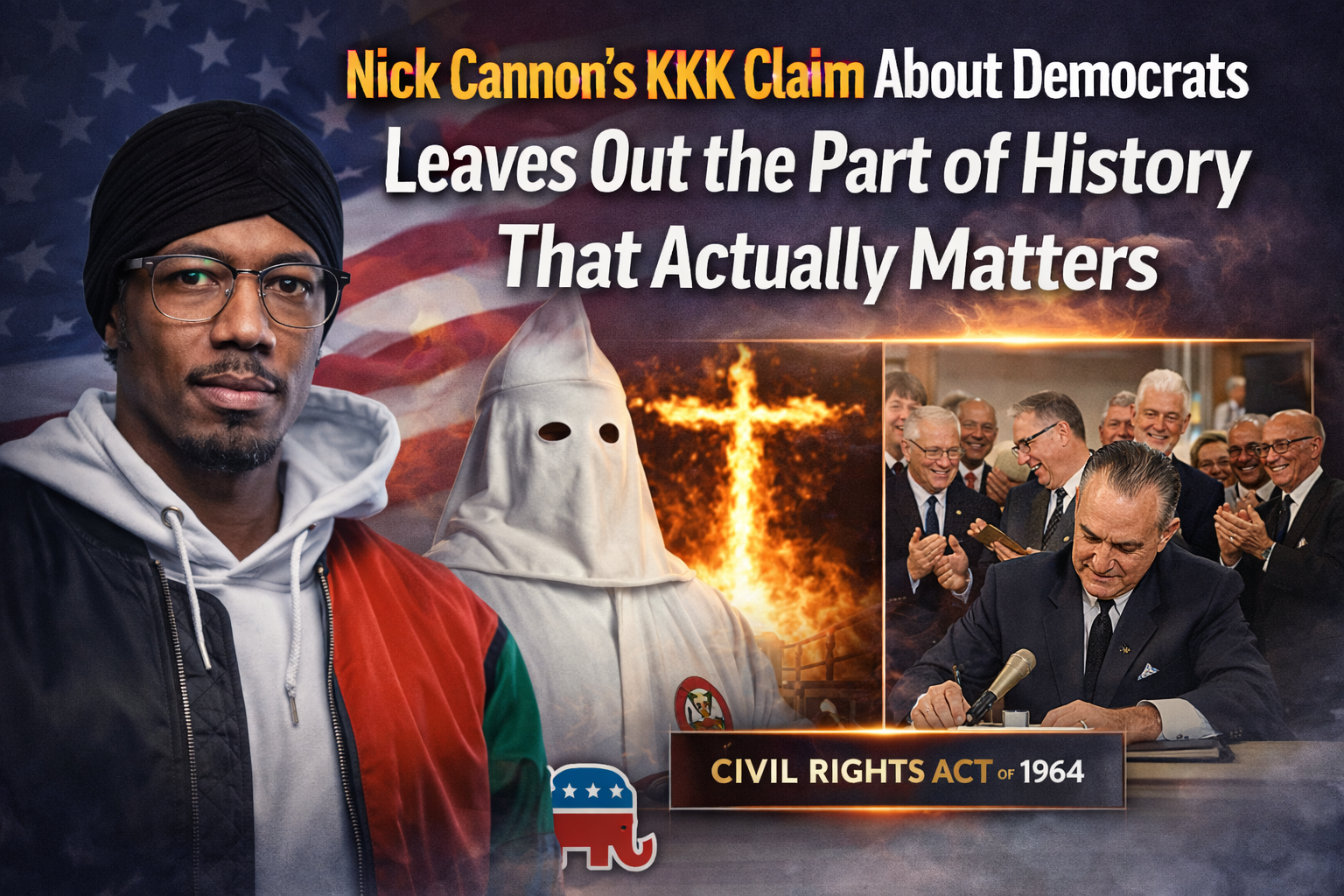
Nick Cannon Said Democrats Are the Party of the KKK. Here’s What History Really Says
Nick Cannon stirred backlash after saying Democrats are “the party of the KKK,” agreeing with Amber Rose on a March 2026 episode of Big Drive, and adding that Republicans were “the party that freed the slaves.” He also said he does not fully subscribe to either party, while still praising Trump and saying, “I f—…
-
Iran’s New Demand Could Reshape the End of the War
Iran has a new demand to end the war and it should not be brushed off or ignored. It is a clear warning that this whole situation is getting worse, not better. Iran is no longer just reacting—it is setting the terms. Reports show that Iran has rejected U.S. ideas and is now making its…
-
ICE at Airports: What Travelers Need to Know
✈️ What “ICE in the Airport” Means ICE (U.S. Immigration and Customs Enforcement) is a federal law enforcement agency under the Department of Homeland Security that enforces immigration laws and investigates crimes like trafficking and smuggling. (Wikipedia) When people say “ICE is in the airport,” it can mean a few different things depending on the…