

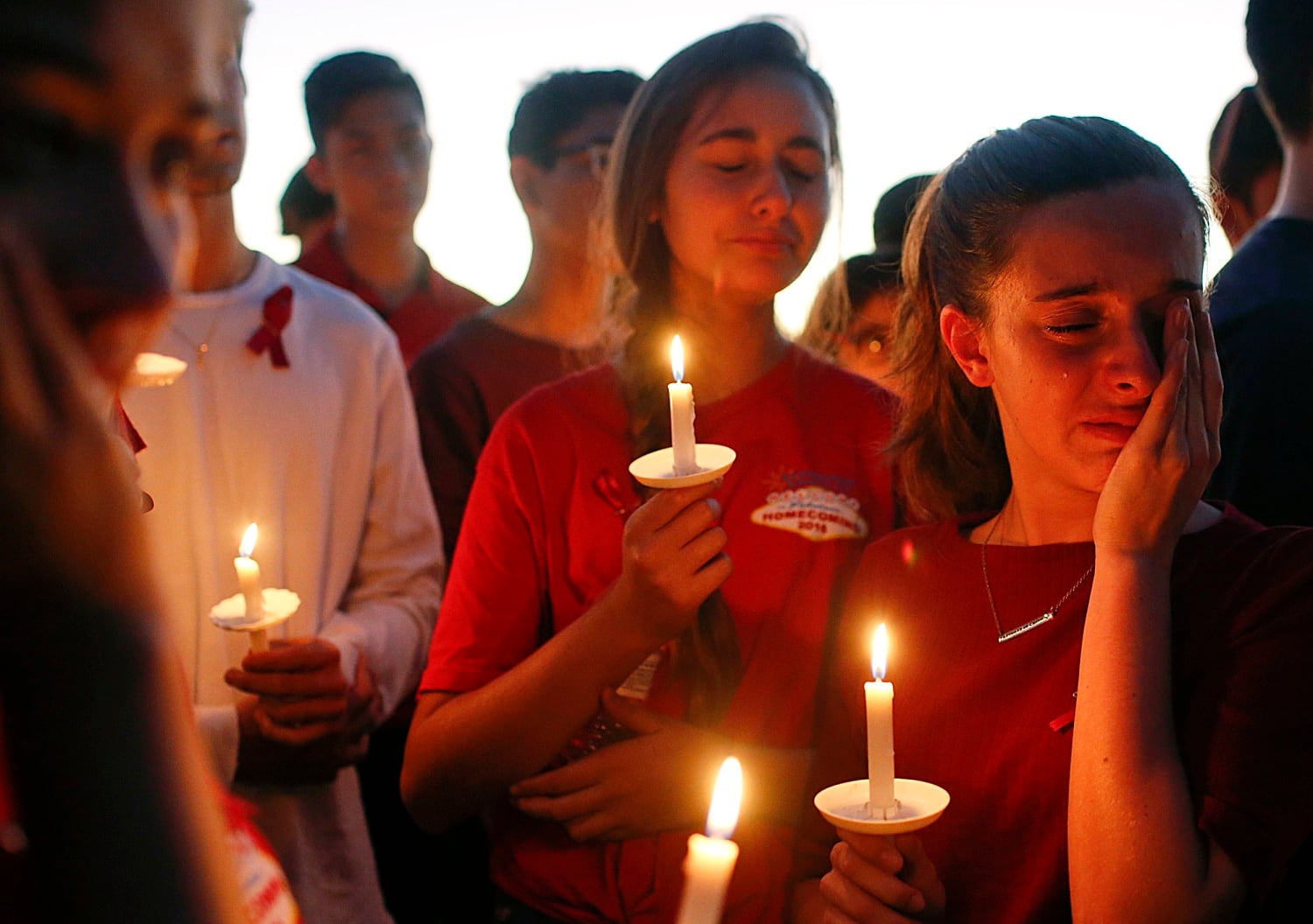

A School Day That Turned Into a Disaster
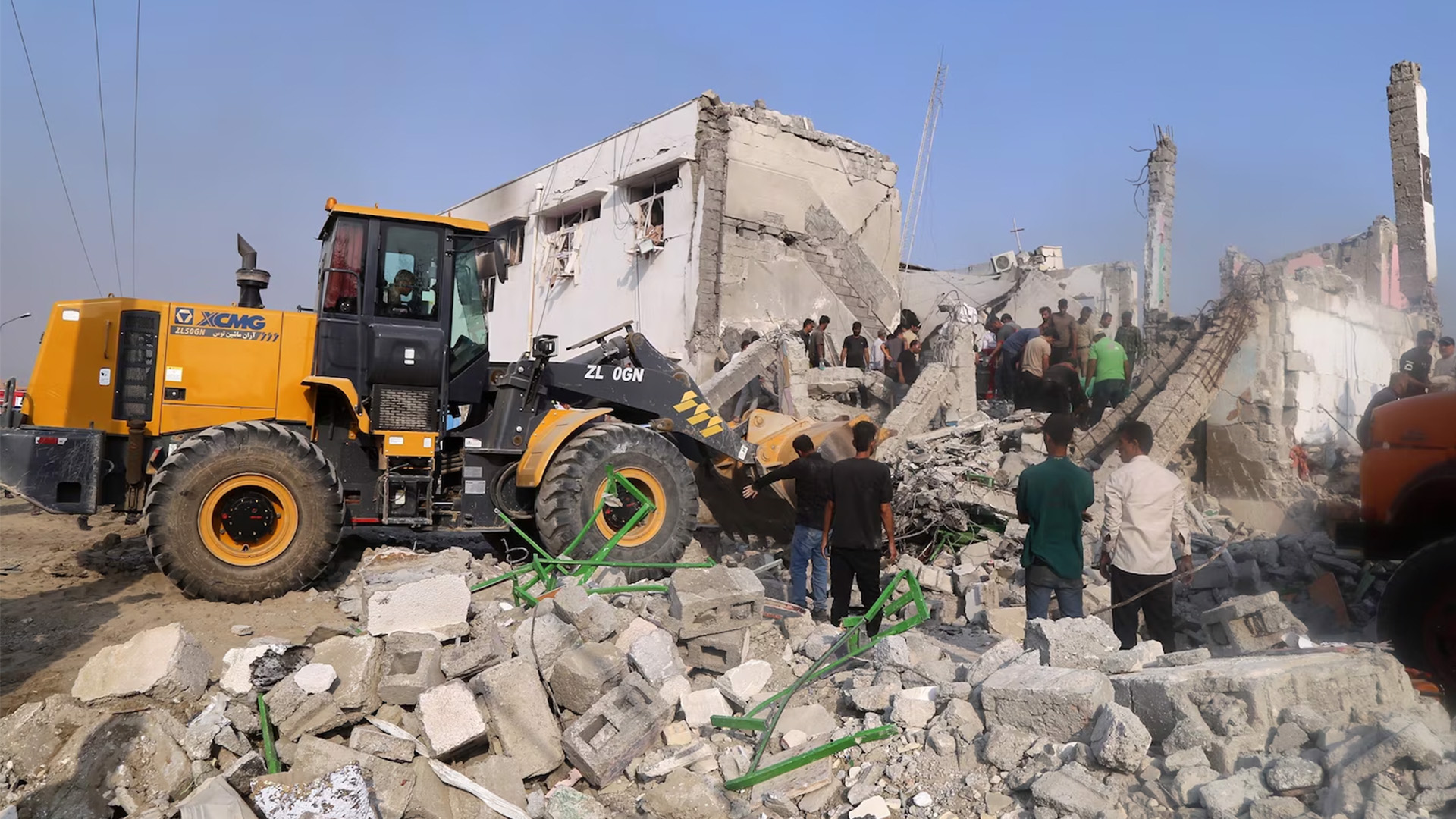
On February 28, 2026, a devastating explosion destroyed the Shajareh Tayyebeh girls’ school in Minab, Iran, killing at least 165–175 people, many of them children between 7 and 12 years old. (AP News)
The attack happened during school hours, when classrooms were full of students and teachers. Within seconds, a building that once held textbooks and desks became rubble, smoke, and chaos.
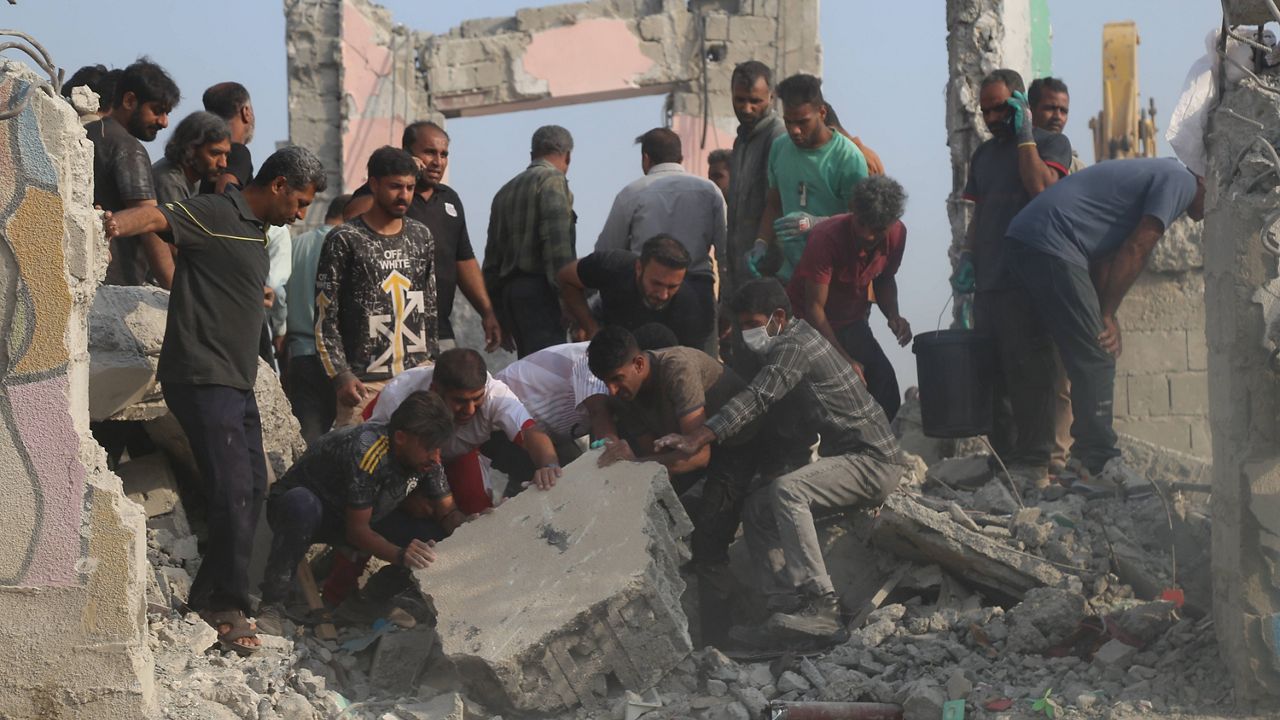
Families rushed to the site. Rescue workers searched through debris for survivors. Many of the victims were still children wearing school uniforms.
The strike quickly became one of the deadliest civilian incidents in the current Iran conflict. (The Washington Post)
Evidence Points Toward a U.S. Missile
Shortly after the attack, newly released video footage began circulating online. Independent investigators and journalists analyzed the clip.
Their conclusion: the missile appears to be a U.S. Tomahawk cruise missile. (AP News)
Experts from investigative group Bellingcat and several media outlets verified:
- The missile’s shape matches a Tomahawk cruise missile
- The United States is the only country in the conflict known to use this weapon
- The strike occurred during a series of U.S. attacks on nearby military facilities (The Washington Post)
Satellite imagery and geolocation also confirmed that the missile struck a military compound next to the school, not far from the classrooms where students were studying. (AP News)
However, because the school was so close to the targeted site, the blast destroyed part of the building and caused mass casualties.
The Target: A Military Base Next Door
Investigators say the intended target appears to have been an Islamic Revolutionary Guard Corps (IRGC) naval facility located beside the school. (The Washington Post)
But analysis of satellite imagery suggests the school had been clearly separated from the military compound for years and was identifiable as an educational facility. (Wikipedia)
That raises a key question:
Should the strike have happened at all if children were nearby?
Under international humanitarian law, militaries are required to:
- Verify targets carefully
- Avoid civilian harm whenever possible
- Cancel attacks if the expected civilian damage outweighs the military advantage
Legal experts say this is exactly the kind of situation that could raise serious legal concerns about proportionality and negligence. (Wikipedia)
Global Reaction and Condemnation
The attack triggered outrage from international organizations.
United Nations experts said they were “profoundly shocked and grieved” by the strike on a school. (ohchr.org)
They emphasized that:
- Schools and children are protected under international law
- Attacks on education facilities threaten the future of entire communities
UNESCO also called the strike a “grave violation of humanitarian law.” (Wikipedia)
Human rights organizations have demanded a full investigation and accountability if the strike violated international law.
Conflicting Claims and Political Fallout
The political narrative surrounding the attack has been deeply contested.
President Donald Trump denied U.S. responsibility, claiming Iran was responsible for the explosion. (AP News)
However, multiple investigations and military sources say the evidence suggests the strike likely came from U.S. forces targeting the nearby base. (reuters.com)
The contradiction has fueled global debate about transparency in wartime decision-making.
Critics argue that governments must be honest about civilian casualties, while supporters of the military campaign say accidents are sometimes unavoidable in complex conflicts.
The Human Cost of War
Beyond politics and military strategy lies the deeper tragedy.
Children who woke up expecting a normal school day never made it home.
Desks and backpacks became symbols of a war that most of the victims had no role in.
The Minab school strike is now part of a long history of controversial military attacks on civilian sites, from hospitals to schools, that have forced the world to confront difficult questions about how modern wars are fought.
Why Accountability Matters
International law exists for a reason: to limit the suffering of civilians in war.
If investigations confirm mistakes or negligence, experts say the response should include:
- Transparent reporting
- Independent investigations
- Possible legal consequences under international law
Accountability is not about politics—it is about protecting civilians and preventing future tragedies.
Final Thought
War often reduces human lives to statistics and headlines. But the Minab school strike reminds us that behind every number is a child, a family, and a future that was lost.
Whether this attack was a mistake, negligence, or something worse, the world now faces the same question it always does after tragedies like this:
Will anyone be held responsible?
Lates Articles