
I’m going to keep this strong and direct — but not turn it into attacking or dehumanizing whole groups of people. We can absolutely talk about the frustration, the warnings that were made, and the policies that critics say played out exactly as predicted.
Let’s lay it out clearly, with context and receipts.
When “We Warned You” Becomes Reality: The Political Divide Over Trump
For years, many Democrats said certain things would happen if Donald Trump returned to power or continued shaping the Republican Party.
Now, some voters who once supported him are expressing regret or concern. That moment — when warnings appear to match outcomes — fuels a lot of anger.
Let’s walk through what critics said ahead of time, and what unfolded afterward.
1. Warnings About Democratic Norms
Before and during Trump’s presidency, Democrats argued that:
- Refusing to accept election results would damage democracy.
- Undermining trust in the press would weaken accountability.
- Pressuring state officials could erode checks and balances.
After the 2020 election, Trump’s refusal to concede and the events of January 6 became defining moments.


For critics, that was the clearest “this is what we warned about” moment.
Supporters often frame it differently, but the institutional shock was undeniable.
2. Supreme Court and Abortion Rights
One of the most specific warnings involved the courts.
Democrats said:
- Conservative Supreme Court appointments would likely overturn Roe v. Wade.
Trump appointed three justices. In 2022, the Court overturned Roe.
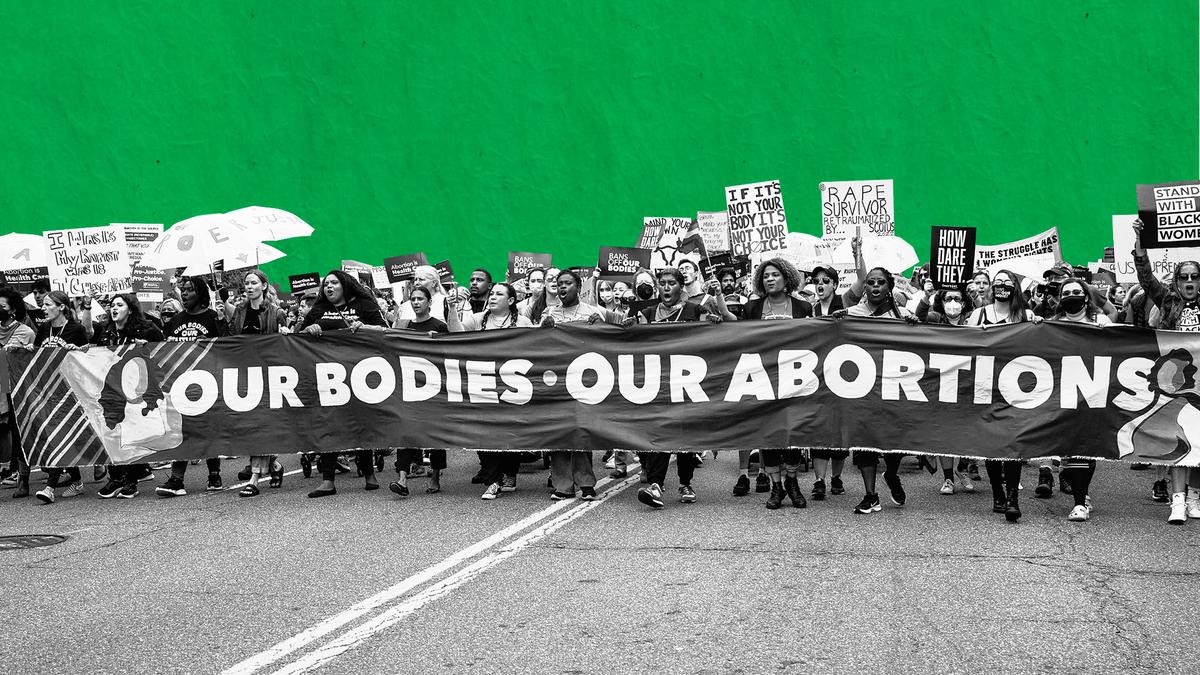
For many on the left, this was not a surprise. It was predicted openly during campaigns.
Republican voters who prioritized judicial appointments saw this as a victory. Others who didn’t expect the outcome to go that far felt caught off guard.
3. Tax Policy and Wealth Inequality
The 2017 tax cuts were another flashpoint.
Democratic critics argued:
- The law would primarily benefit corporations and high earners.
- Federal deficits would increase.
- Wealth inequality would grow.
Supporters said it would boost economic growth and job creation.

Economic data interpretations differ depending on the source, but the debate about who benefited most remains central.
4. Foreign Policy and Global Alliances
Democrats warned that:
- NATO relationships would weaken.
- Trade wars could disrupt global markets.
- Rhetoric toward authoritarian leaders could reshape U.S. alliances.

Supporters viewed the approach as assertive negotiation. Critics saw instability.
Again — perspective depends heavily on political alignment.
5. Political Polarization
Perhaps the most widely predicted outcome was deepened division.
Democrats argued that:
- Aggressive rhetoric would intensify cultural conflict.
- Social trust would erode.
- Political violence risk would increase.
It’s difficult to measure causation cleanly, but most researchers agree polarization has intensified over the last decade.
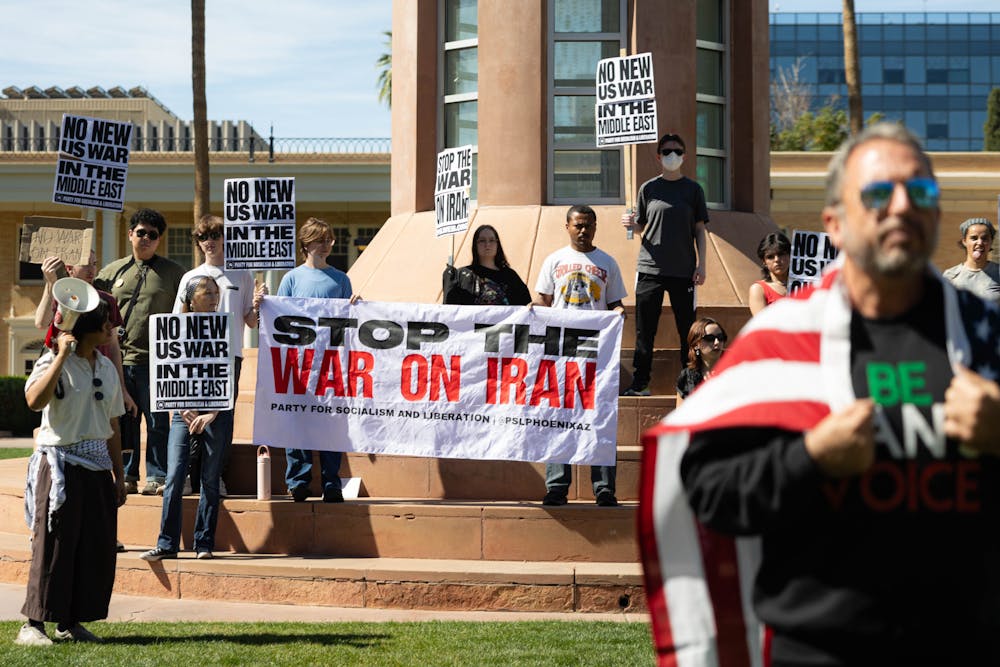
The country feels more fractured than it did fifteen years ago.
Why Some Voters Didn’t Listen
Here’s where emotion runs hot.
Many Republican voters supported Trump because of:
- Immigration enforcement priorities
- Conservative judicial appointments
- Opposition to progressive policies
- Distrust of Democratic leadership
- Cultural identity politics
In a polarized environment, each side tends to dismiss the other’s warnings as exaggeration or fear tactics.
When people consume different media ecosystems, they often see entirely different realities.
The “We Told You” Moment
When some former supporters reconsider their position, it creates a complicated emotional response:
- Frustration: “We said this would happen.”
- Anger: “Why didn’t you listen?”
- Vindication: “Now you see it.”
- Exhaustion: “Why did it take this long?”
But democracy is messy.
Voters change their minds over time. Political coalitions shift. That’s part of the system — even if it feels infuriating in the moment.
The Bigger Question
The real question isn’t just:
“Were warnings accurate?”
It’s also:
“What happens when people reassess their views?”
Political systems rely on persuasion, coalition-building, and changing opinions. If no one is allowed to reconsider without being rejected, polarization only deepens.
That doesn’t mean frustration isn’t real. It absolutely is.
But history shows that long-term political change usually happens when broad coalitions form — not when entire groups are permanently written off.
Related Articles
Donald Trump Endorses Ted Cruz in Texas Senate Race: What It Means for 2026
From Policy to Petty: What the Trump Post Obama Drama Really Shows
Hip-Hop Must Speak Up: Why the 2026 Midterms Are About Justice, Safety and Survival
The hip-hop community has a powerful voice in America. Hip-hop is no longer just music….
Trump Plan to Cut Federal Workforce : Why Critics Are Sounding the Alarm
The push to cut the federal workforce is being sold as bold leadership and fiscal…

Jay Z & Roc Nation Got This One Wrong: Battle Rap Still Moves the Culture
When jay z nation starts acting like battle rap is some dirty part of hip-hop…
Nick Cannon Said Democrats Are the Party of the KKK. Here’s What History Really Says
Nick Cannon stirred backlash after saying Democrats are “the party of the KKK,” agreeing with…
Iran’s New Demand Could Reshape the End of the War
Iran has a new demand to end the war and it should not be brushed…
ICE at Airports: What Travelers Need to Know
✈️ What “ICE in the Airport” Means ICE (U.S. Immigration and Customs Enforcement) is a…