
We Tried To Tell Y’all — And Now Everybody Acting Shocked
A lot of people been asking why it feels like the Black community been quieter these last few years when it comes to Trump, politics, protests, all that. Like people waiting for Black America to jump out front again, lead the charge again, save the country again.
But what folks don’t want to admit is… we BEEN talking.
We wasn’t whispering either. We was loud. Real loud.
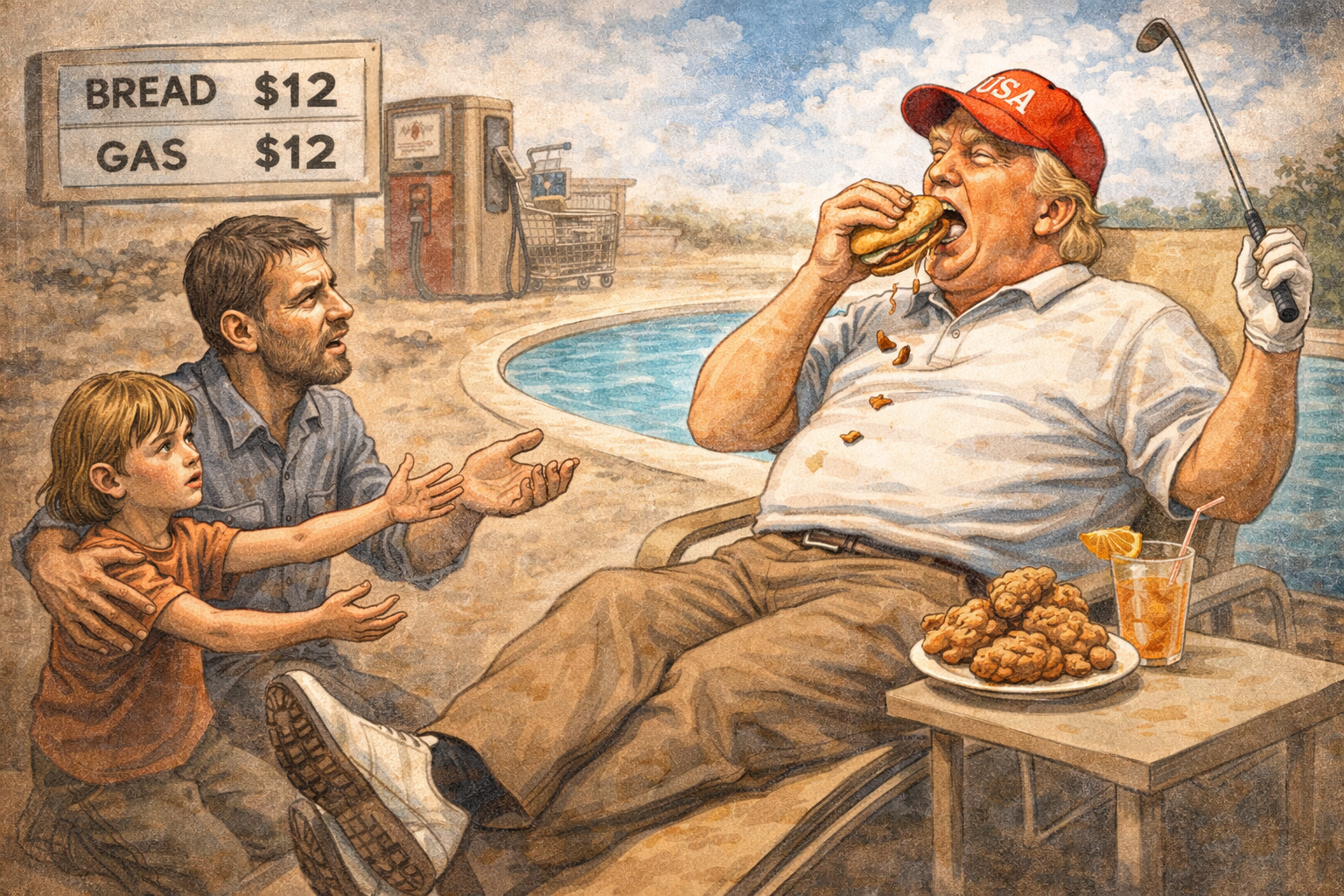
We told y’all what this man was about. We told y’all what direction he was going. We told y’all the type of policies he was pushing. We told y’all the energy he was bringing. That wasn’t hindsight. That was right in front of everybody face.
And people heard it… and still made their choice.
That’s where the frustration start.

This feeling didn’t just pop up with Trump. This goes way back.
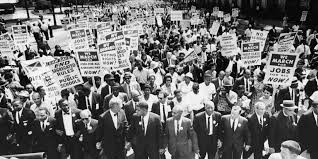
Black Americans been sounding alarms in this country since before most people even had voting rights. Civil rights, police brutality, housing discrimination, education inequality — Black communities have been raising red flags about government power and policy consequences for generations.
A lot of times, those warnings weren’t just about Black people either. They ended up helping everybody.
Voting rights protections didn’t just help Black voters.
Labor protections didn’t just help Black workers.
Healthcare expansions didn’t just help Black families.
History shows Black political activism has often pulled the whole country forward whether people want to admit it or not.
But when people keep warning about danger and keep getting ignored, eventually it stops feeling like activism and starts feeling like yelling into the wind.
![Old voting line photo or ballot box symbolic image]](https://jqkq0klztb.wpdns.site/wp-content/uploads/2026/02/Old-voting-line-photo-or-ballot-box-symbolic-image-1-1024x688.jpeg)
When Trump started running, a lot of Black voices saw warning signs immediately. Not because of party loyalty. Because of history.
People looked at:
• The housing discrimination lawsuits from earlier in his career
• The birther movement against Obama
• The “law and order” rhetoric
• The immigration talk
• The nationalist crowd he attracted
Some people heard confidence and strength.
Other people heard, “We seen this movie before.”
And when you come from communities that historically get hit first by aggressive policy, you learn to read those patterns differently.
That ain’t paranoia. That’s experience talking.

Here’s the part people get uncomfortable talking about.
Black communities show up politically. Consistently. Historically. Statistically.
But coalition work gotta be mutual or it starts feeling one-sided.
If one group keeps marching, organizing, voting, warning, mobilizing — and then watches other communities vote against policies that protect shared interests — that creates resentment. Not hatred. Not division. Resentment.
There’s a difference.
Resentment comes from feeling like you keep pulling the weight while others keep letting go of the rope.
And that kind of fatigue builds over time.
![Symbolic rop or chain being pulled by multiple hands visual]](https://jqkq0klztb.wpdns.site/wp-content/uploads/2026/02/depositphotos_492640908-stock-photo-two-hands-helping-hand-arm.webp)
People treat political activism like it’s just strategy. But it’s emotional work too.
Marching takes energy. Organizing takes energy. Watching warnings come true takes emotional weight. Especially when communities feel like they’ve been sounding alarms for decades.
There’s this quiet expectation that when the country hits crisis mode, Black America is supposed to instantly mobilize again.
But people tired, man.
Tired of warning.
Tired of being right and ignored.
Tired of being asked to fix problems they didn’t create.
That ain’t silence. That’s exhaustion.

At the heart of all this ain’t anger. It’s confusion.
Because when somebody tells you the stove hot, and you touch it anyway, the first reaction ain’t always sympathy. Sometimes it’s frustration like, “Yo… I told you that.”
A lot of Black voters weren’t just voting against Trump. They were voting based on what they believed would protect communities long term.
Election data showed that pretty clearly across multiple election cycles.
That doesn’t mean everyone agreed. No community votes as one voice. But it does show consistent political caution.
So when policies roll out that people believe hurt working-class families, immigrants, or minority neighborhoods, there’s a strong sense of “we saw this coming.”

Another thing that needs to be said — Black political activism has never been about saving one group or another. It’s always been about survival and fairness.
But fairness requires listening.
If warnings get ignored every election cycle, eventually trust breaks down. And when trust breaks down, coalition becomes harder to rebuild.
The bigger question isn’t why Black communities feel quieter.
The bigger question is why warnings from those communities so often get dismissed until consequences show up.
America moves in cycles. Political power shifts. Public opinion changes. Economic pressure changes everything.
But if there’s one lesson buried inside this moment, it’s this:
Communities that experience policy consequences early often see political danger earlier too.
Ignoring those warnings don’t make them disappear. It just delays the impact.
And if the country wants stronger coalitions in the future, it has to treat those warning voices like guidance, not background noise.
Conclusion
This isn’t about saying “we told you so.” That’s too simple.
This is about asking why certain voices get labeled dramatic or angry when they’re actually being observant.
Black political activism has shaped this country more than most history books give credit for. That activism never just benefited one group. It lifted entire systems.
But even the strongest voices get tired when nobody listens.
The real conversation now isn’t about blame.
It’s about whether America learns to hear warnings before the storm instead of after it.
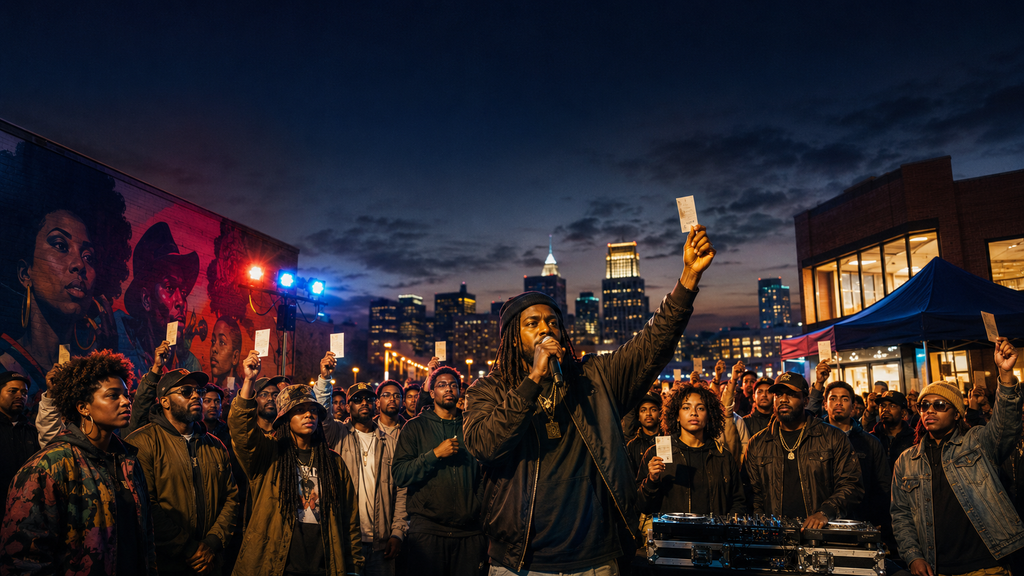
Hip-Hop Must Speak Up: Why the 2026 Midterms Are About Justice, Safety and Survival
The hip-hop community has a powerful voice in America. Hip-hop is no longer just music….
Ground Troops in Iran? Why American Lives Should Never Be Trump’s Distraction
Why Trump Should Not Have the Power to Send American Lives Into War I’m going…
J. Cole Tour Energy vs. Hip-Hop Code: Why Some Fans Aren’t Cheering
Everybody hyped about the J. Cole tour. Tickets moving. Fans lining up. Social media clips….
10 Warning Signs of a Cult: How to Recognize Manipulative Groups
1. Absolute Loyalty to a Leader2. The Leader Is Seen as Special or Chosen3. Questioning…
Trump’s Credibility Crisis: Why Americans Are Questioning the Truth About the Iran School Strike
Trust Matters in War When a military strike kills civilians—especially children—the public deserves the truth….
The Epstein Files, Presidential War Authority, and the History of Political Timing
Political distrust is high in America. When major global events happen at the same time…